

Adaptive intelligence, renewed
limber is changing the way the world thinks about movement.
“It's not the strongest who survives, nor the most intelligent. It's the one most adaptable to change.”
— Charles Darwin
Adaptive intelligence
Your body is always changing — growing, building, repairing, renewing. Your brain adapts automatically, recalibrating each movement without a thought.
Over time this natural intelligence can fade, and movement can stop feeling effortless.
Designed by nature
Millions of years of evolution built the most sophisticated movement system on Earth — yours.
Enhanced by limber
Powered by advanced motion-sensing technology, limber uses groundbreaking neuroscience to enhance your adaptive intelligence and keep your mind and body moving as one.
How it works
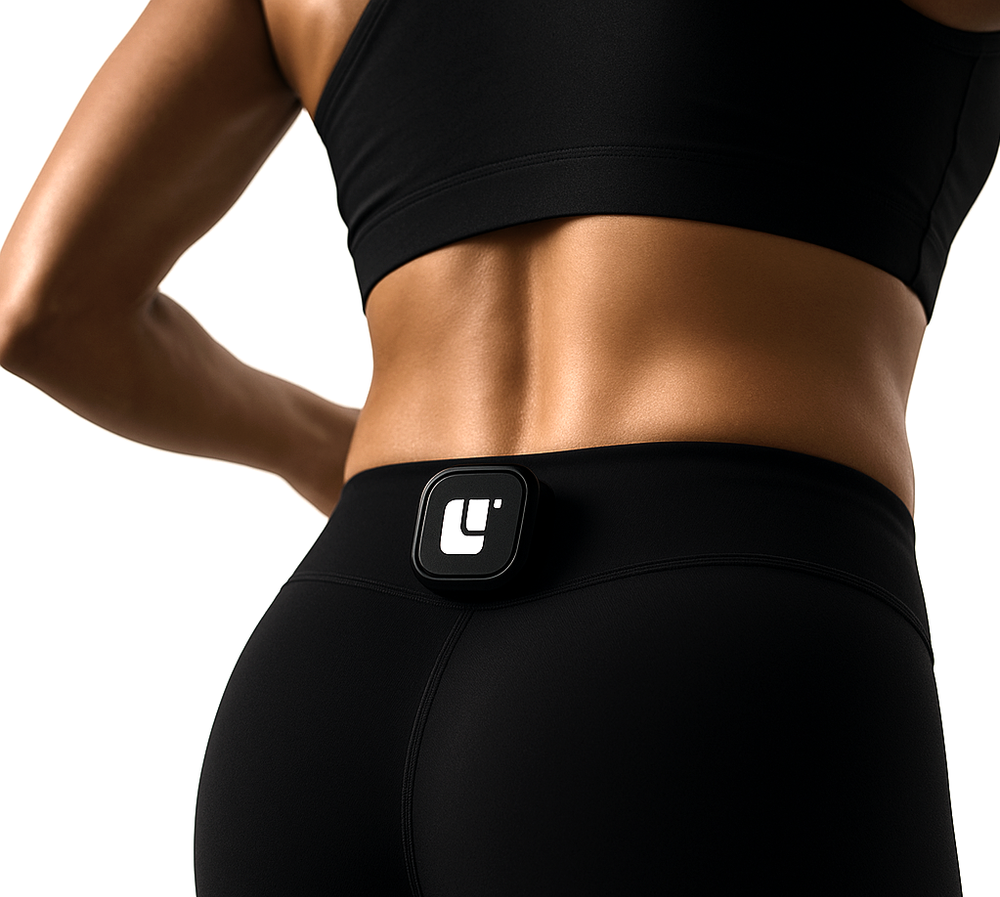
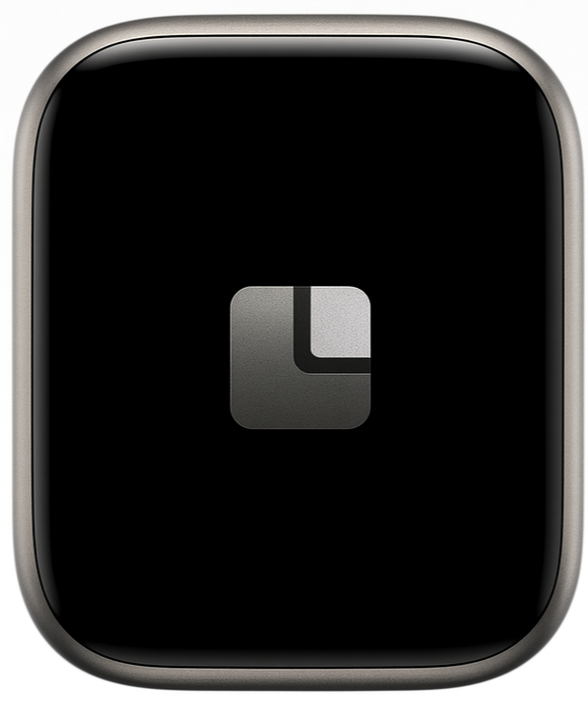
No new hardware. The watch you already own becomes a clinical-grade motion sensor at your body's center of mass.
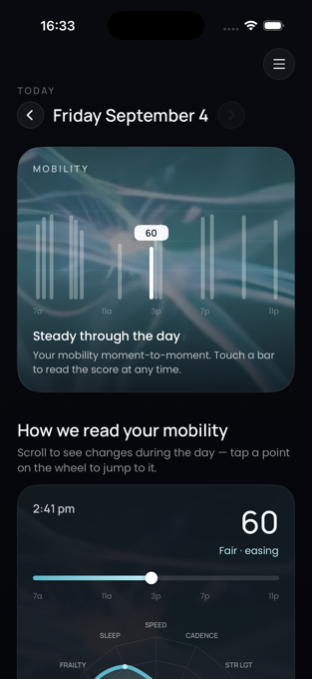
It notices micro-changes in your balance, gait and rhythm — the signals that fade long before you'd feel them.
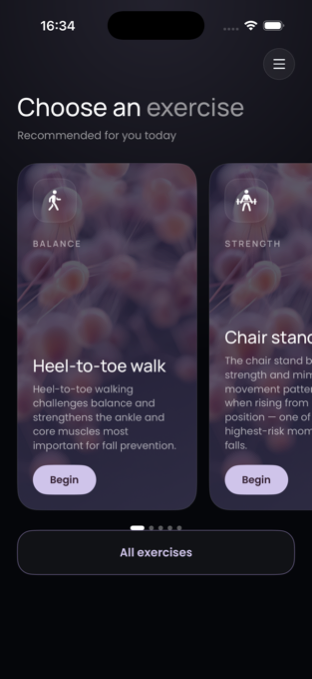
Ten personalized minutes a day, part of an eight-week structured program that rebuilds confident movement.
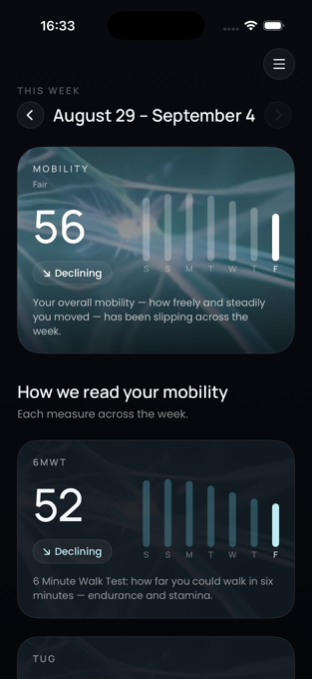
Clinical measures
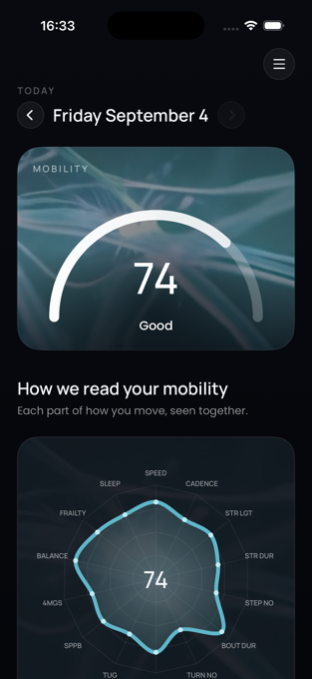
When a physical therapist assesses your mobility in clinic, they run standardized tests — Timed Up & Go, the Short Physical Performance Battery, the Six-Minute Walk Test, gait speed — and design your treatment protocol around the results.
limber reads those same measures continuously from how you actually move through your day. No clinic visit, no stopwatch — a clinical-grade picture of your mobility, every day.
The program
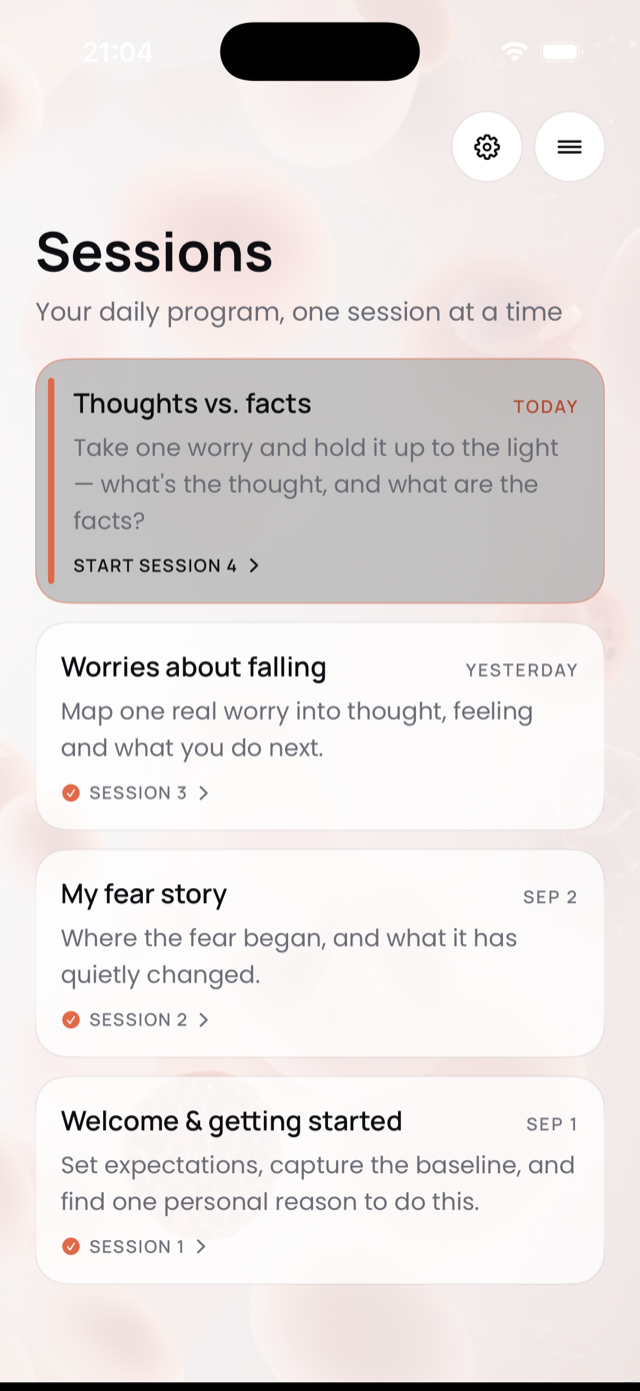
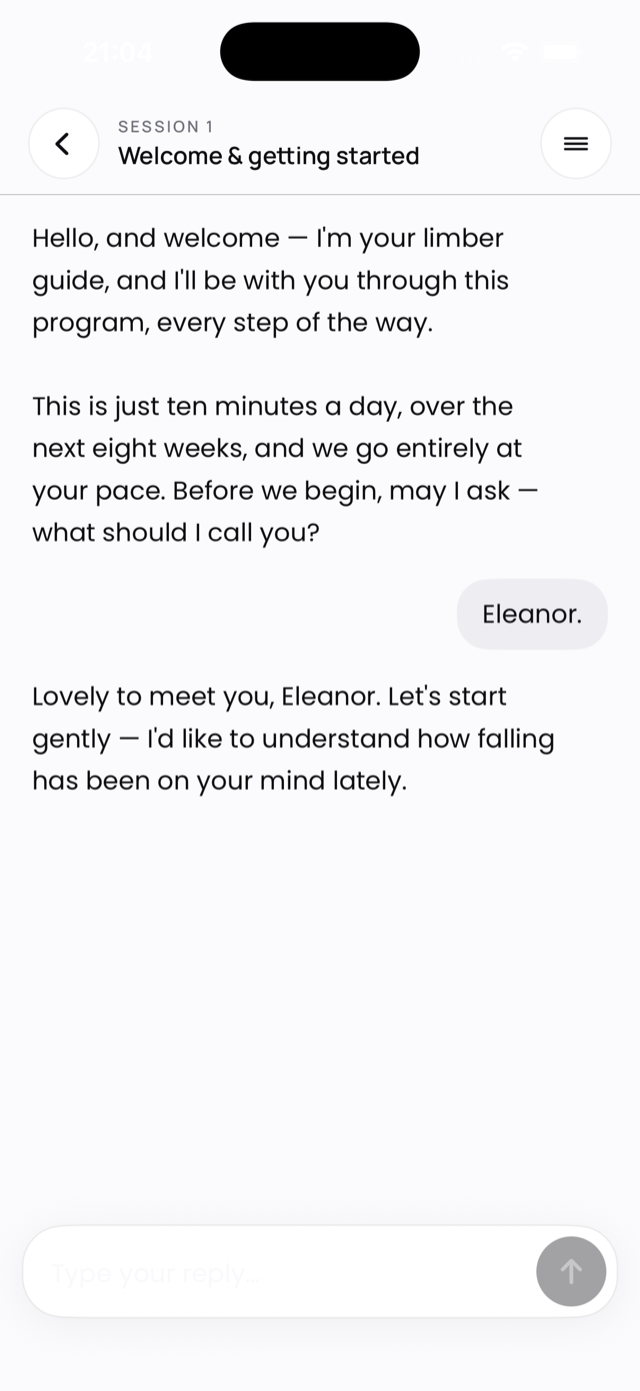
You can't move without feeling. Every day, your guide coaches you through ten structured minutes — built on clinically validated protocols — that change how you think and feel about moving, so your brain keeps adapting and movement stays effortless.
Your guide
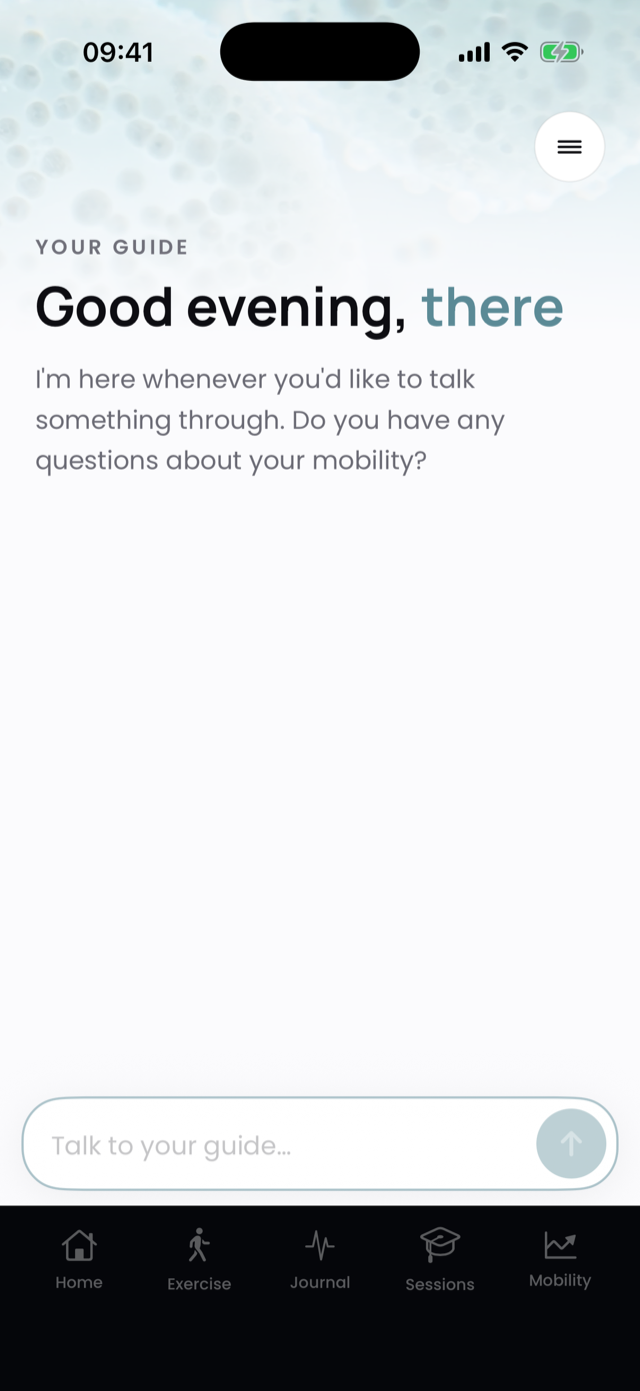
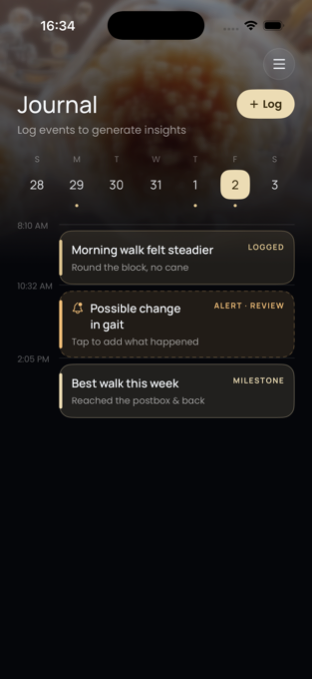
Your guide knows your data — every walk, every session, every entry in your journal. Ask it anything about how you move, and it answers with your own patterns, in plain language.
Why did my score dip this week?
Your walking speed held steady, but your turns slowed midweek — that often happens when you're tired or hesitant. Tonight's session has a two-minute balance drill for exactly this.
Can I still garden on Saturday?
Yes — and let's plan it so it feels easy. Kneel on your right side first, and keep the trug within arm's reach. You logged steadier mornings all month; Saturday morning is your moment.
The app
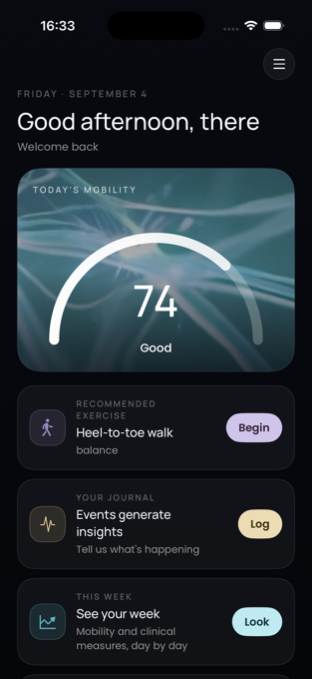
Every screen is built from the same signals clinicians use — read from how you actually move through your day.
Team
Rachael & Stephanie met at Stanford University. They got into wearables early — excited by how the technology could help people adapt to change as they age.

Chief Executive Officer

VP of AI
Backed by
Trusted by clinicians from